

Lully 1661, a French bakery in Lisbon
My senses tell me I’m in Paris. In fact, Lully 1661 is a real French boulangerie-patisserie in Rua Forno do Tijolo, a local shopping street in Anjos, one of Lisbon’s most vibrant neighbourhoods.
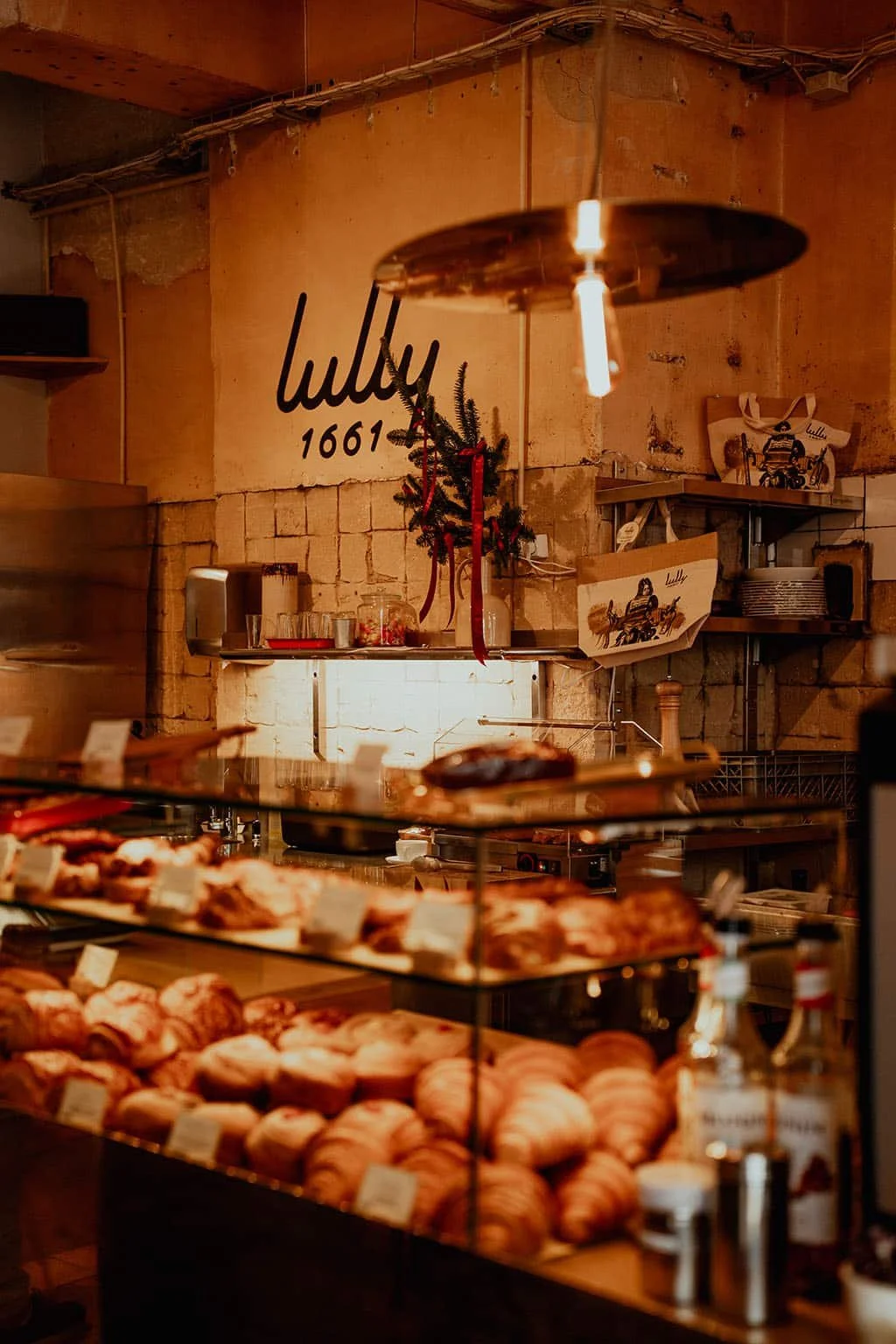
Stepping off the street, customers enter a wonderland with mounds of crisp, golden croissants and Pain au Chocolat, trays of brightly coloured Tarte au Citron, Paris-Brest, mini-Pavlovas, and a decadent, rich, buttery, caramelized Breton speciality: Kouign-amann. Beneath a bewigged image of the 17th century French composer, Jean-Baptiste Lully, giant Le Paillard country sourdough loaves and twirled baguettes tempt bread lovers…
Alain Savouré and Yann Lombard-Platet, two Bretons, founded Lully 1661 three years ago. Both had lived in Shanghai (Yann still does). Yann recalls: “With Portugal, we arrived in unknown territory.” I’m here to meet Alain, Lully’s CEO, while Yann is joining us from Shanghai via Zoom.
A tradition of good bread
Alain explains Portugal has always had a tradition of good bread, but traditional country loaves are now much more difficult to find, with a shortage of high-quality bread in cities.
During the Covid pandemic, home baking sourdough bread became a welcome occupation. The two associates began to knead the idea that there might be a market opportunity to revive traditional baking for new publics… The first Lully 1661 opened in 2023, in Lisbon’s Beato neighbourhood.
“It takes two years to know if a business is going to work, five for it to work, and 10 years for it to be a success,” Yann remarks. Two years after opening, Alain and Yann are already convinced their project will be a success.
They tell me about the dynamism of the Portuguese economy, with immigration at every socio-economic level, including a recent surge of Americans.
Lully’s Beato production facility, referred to by the two bakers as ‘our laboratory’, is in a renovated industrial building, part of the Unicorn Factory Lisboa, an Innovation District. Beato, historically Lisbon’s grain loft, has a long association with bread-making. The grain arrived along the Tagus, and during the Salazar era, there were large bread factories in the area.
In addition to the Forno do Tijolo and Beato outlets, there is a Lully shop in Campo de Ourique. “We want to avoid tourism areas and site Lully 1661 in real Portuguese neighbourhoods.”
Lully, 1661
Cheeky, disruptive, artisanal
So, why name a bakery ‘Lully 1661’? Jean-Baptiste Lully was an influential Baroque composer at the court of Louis XIV of France. In 1661, he became a French citizen and was made Superintendent of the Royal Music. An early creator of French opera, he was known for a libertine and dissolute lifestyle, expressed in the deeply emotional character of his compositions.
Lully’s lifetime coincided with the period during which fine French food began to be eaten beyond aristocratic households, with quality becoming accessible to the bourgeoisie. Bakers and pastry chefs opened shops in European cities, and these meeting places participated in the period’s social construction.
The composer liked to sprinkle tradition with small touches of irreverence. Yann remarks: “Like Lully, we’ve disrupted the existing way of doing things by, in our view, changing the way things were done before: we’re cheeky, disruptive artisans.”
Alain comments: “This doesn’t mean glazing the patisseries green instead of red! We’ve achieved a better sugar balance, for example, by using less sugar.”
Moments to share forgotten flavours
Yann continues: “When we opened, we had lots of foreign customers; then increasingly Portuguese began to arrive, including young Portuguese. We currently have three outlets, and we plan to add others soon. We chose the Rua Forno do Tijolo shop because it had been a bakery before. We’ve kept our bread affordable and remain faithful to our mission to democratise.”
Alain adds: “Bread is water, crushed grains, a good salt, then very good baking. Today, there’s very little grain production in Portugal; 90% of grain is imported.”
Yann explains: “We take the best ingredients and transform them to create moments to share forgotten flavours.”
Lully 1661 currently employs 15 people, six in production and nine in the shops.
Evolving consumer habits
Yann comments on changing food consumption behaviours in Portugal and internationally: “People are looking for a more emotional and intimate relationship with food than that offered by supermarkets or e-commerce. There’s also been a renewal of going somewhere to have a good time.”
“We’re seeing fresh sandwiches every morning, rather than a semi-industrial sandwich sold in small supermarkets,” Alain enthuses.
What next?
How do Alain and Yann plan to develop Lully 1661 over the next few years? Their answer is structured and ambitious.
First, some more shops – they believe Lisbon can probably absorb five in all, but they are absolutely determined the bakery will remain a craft business, close to their customers.
Secondly, catering built around the core theme of bread, pairing bread with dishes to taste and share. Yann speaks of “a symphony of bread”, a delicious expression which, no doubt, would have had J-B Lully dancing with joy.
Lastly, the two taste orchestrators confide: “We hope one day we’ll be able to export the concept.”
Eggs Florentine and a Monsieur
A few days later, I’m back in the large room behind the bakery in which we’d had our conversation. This time, I’m here to do some brunch sampling. Alain, who had been lunching with an Alentejo wine producer, joins us.
The Lully 1661 café space can only be described as uber cool – spacious, plenty of natural light, ‘already loved’ walls in soft tones of plaster and concrete, and finally a Pierre Chareau referenced wall of glass bricks. Contemporary overlays history, industrial meets now, friendly attentive service is paired with unrushed time.
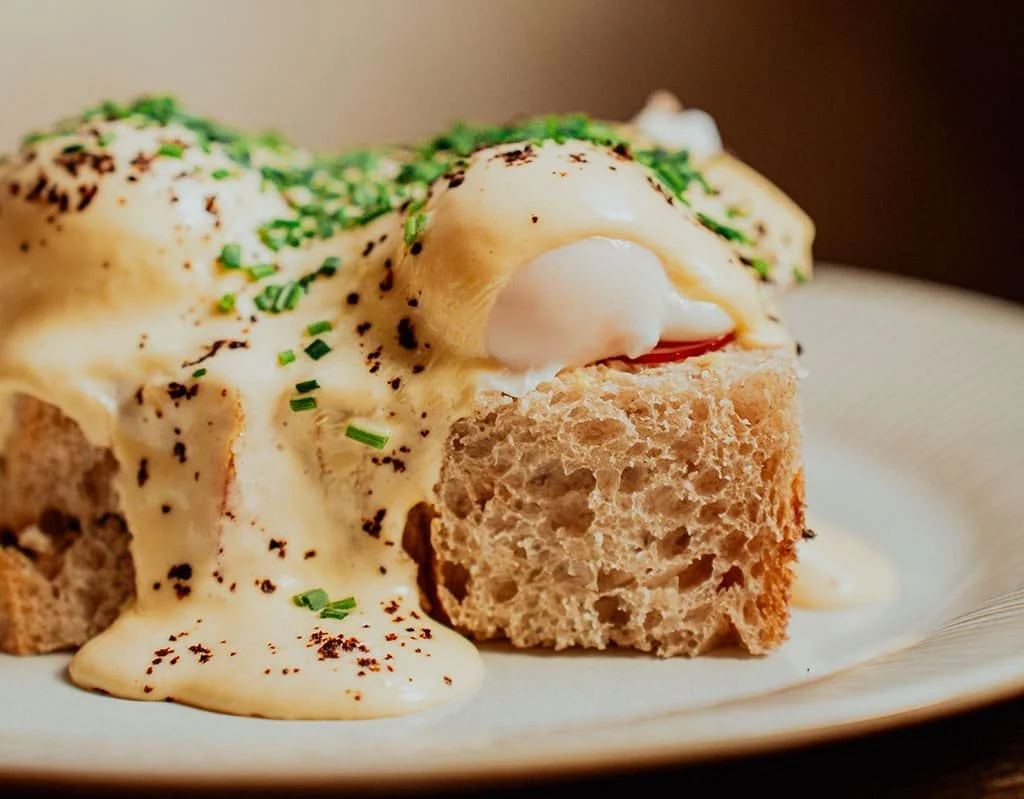
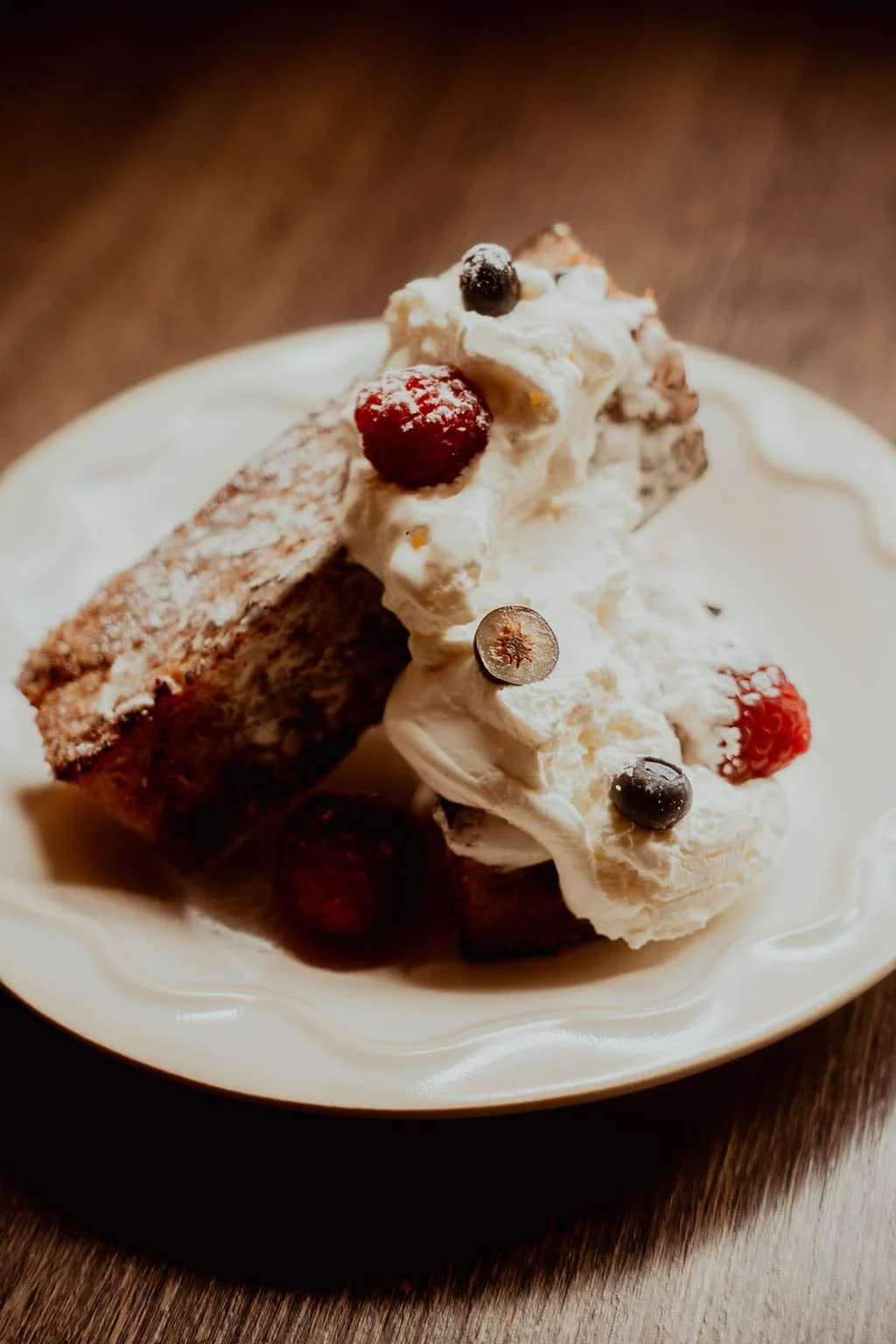
We begin with a divine spicey Middle Eastern inspired soup, then share perfectly poached Eggs Florentine and one of the best Croque Monsieur I’ve ever eaten with quality ham, unctuous Comté cheese and salad, before ending with Pain Perdu. Délicieux!
First published in Portugal Resident, April 2026